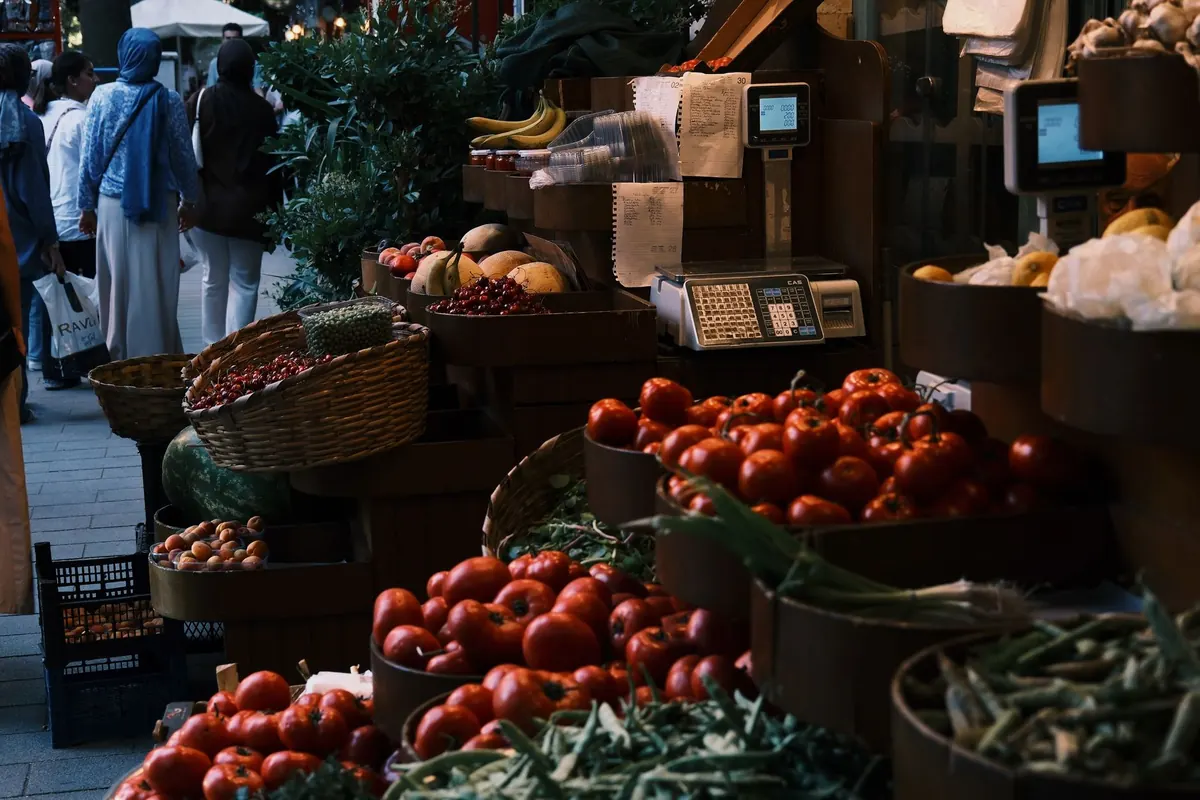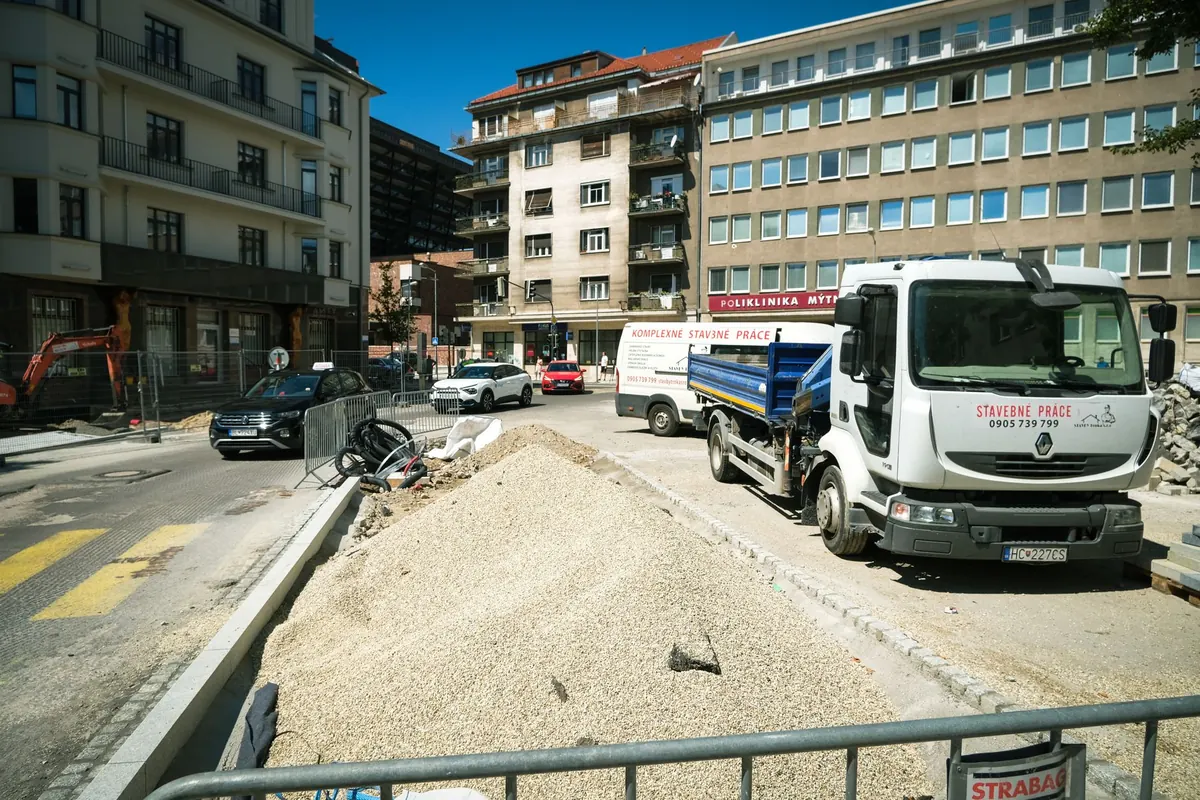
If you've squeezed past a fenced-off footpath near the market or hunted for a space where there used to be one, you already know the town centre is being rearranged around you. The regeneration plans now doing the rounds are the biggest change Bury's core has seen in years, and they touch the things shoppers, traders and bus passengers care about most: where you park, how you get in, and how busy the streets feel while the work is happening.
Here's what the proposals actually involve, how the work tends to be staged, and what you can do about it in the meantime — without wading through a two-hundred-page planning document.
What the plans actually cover
The proposals bundle together several things that are easy to discuss separately and much messier in practice. The bulk is public realm: pavements, crossings, lighting, seating, planting and better walking routes linking Bury Market, The Rock, Mill Gate and the interchange. The aim is a centre that feels like one place rather than three shopping areas with roads in between.
Alongside that, you'll usually find:
- Market improvements — stall layouts, covered areas, entrances and servicing arrangements
- Transport changes — bus stands, taxi ranks, cycle parking and easier transfers between them
- Traffic and junction tweaks, including where deliveries are allowed and at what times
- New homes or workspace on underused sites, which brings its own construction traffic
- Signage and wayfinding, so visitors can find the market from the car parks
Not every element is funded or approved at the same moment. Some parts are further along than others, so it's worth checking the council's own scheme pages rather than assuming the whole masterplan lands in one go.
The timeline, and why it will feel slow
Construction of this kind rarely runs as one job from start to finish. It arrives in phases.
Phase one: the unglamorous bits
Surveys, ground investigations and utility diversions come first. You see cones, temporary lights and fenced strips of pavement, and not much else. This stage is the least photogenic and often the most irritating for pedestrians.
Phase two: the main works
Paving, planting, lighting and road changes. This is when footpaths move, parking bays disappear temporarily, and business frontages get blocked for weeks at a time.
Phase three: fit-out and reopening
Shops and stalls return, signage goes up, and the temporary arrangements are taken away — usually a little later than the boards promise.
Treat any specific date you see in a comments thread as a rumour. Phased schemes slip when ground conditions or utility records turn out to be wrong, and those problems get discovered on site, not at the planning stage.
Parking: what changes and what to do about it
This is the question that comes up most, and understandably so.
Where the spaces go
Bays are usually suspended where works need the road, and short-stay spaces near the market are often first to go because they sit exactly where the paving and servicing changes happen. Loading restrictions can change too, which matters if you're a trader expecting a delivery.
Practical tactics that actually help
- Check the council's live parking and roadworks pages, and read the on-street signs, before you set off
- Use the larger car parks on the edge of the core and walk the last five or ten minutes
- On Saturdays, arrive before mid-morning or after about three o'clock. The middle of the day is the pinch
- If you're coming in for one errand, the bus or tram beats circling for a space
- Blue badge holders should check whether usual bays are affected before travelling, and report any blocked accessible route
- Traders: ask about bay suspensions and delivery windows early, not the week the hoardings go up
There's no trick that makes a suspended bay reappear. Planning your trip around the work is the only reliable approach.
Buses, taxis and walking routes
Bus stands move. That's the short version. Temporary stops can be a few minutes' walk from where you're used to getting off, which matters if you're carrying shopping or have limited mobility. Check your operator's website or the notices at the stand before travelling, and allow an extra ten minutes for the first few trips after any change.
Taxi ranks shift too, and the walk from the rank to the market can change from week to week. Pedestrian routes should stay open and step-free, including through the works. If a temporary route isn't accessible, say so — contractors can often fix it quickly, and councils track those reports.
For traders: getting through the disruption
Footfall dips where hoardings go up. It isn't personal and it's rarely permanent, but pretending it won't happen is worse than planning for it.
- Keep your frontage visible: clean windows, clear signage, and lights on if fencing has shaded the street
- Tell customers how to reach you, especially if the usual approach is closed
- Agree delivery times that work with the closures, and keep stock levels sensible while access is awkward
- Ask the BID or council officers what support exists — marketing help and event space are sometimes available during major works
- Team up with neighbouring independents on late nights or market days, so there's a reason to walk past the cones
Most of this is unglamorous, and none of it replaces lost trade on its own. But traders who communicate clearly during works tend to keep more of their regulars than those who go quiet and hope for the best.
What to do next
Read the published scheme documents rather than the version circulating on social media, and use the consultation windows while they're open — comments made during consultation carry more weight than complaints made afterwards. Keep a note of what affects you specifically, whether that's a bus stand, a loading bay or a crossing, and raise it with the council or your ward councillor.
Then do the simple thing: check before you travel, allow a bit more time than you think you need, and spend with the traders who are still open through the dust. Regeneration gets decided in meetings, but what the town centre becomes is decided by who keeps using it while the work is going on.