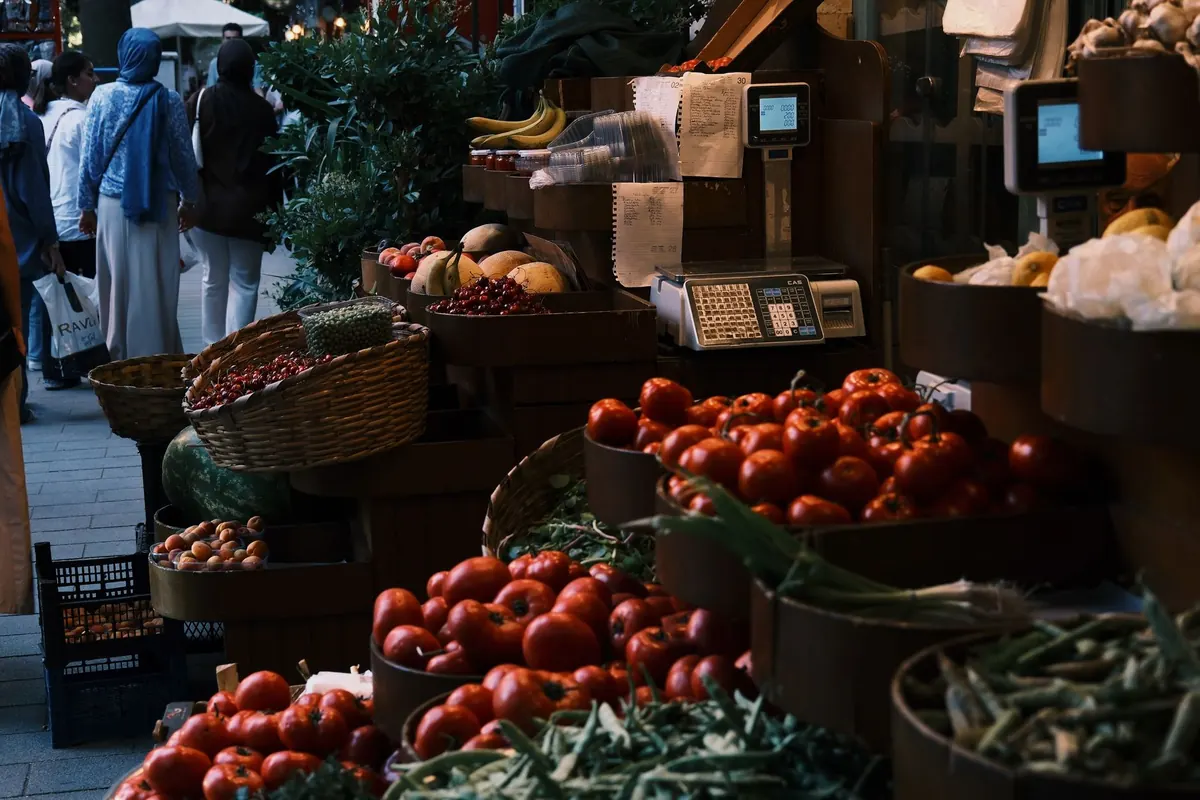
Bury Market is the sort of place that turns a quick errand into a two-hour wander. Outdoor pitches, a meat and fish hall, indoor units selling everything from fabric to batteries, and a queue for black pudding that tells you plenty about local priorities. It has been trading long enough that the regulars know its rhythms by heart.
First-timers don't. They arrive at the wrong hour, park in the wrong place, and reach the front of a queue holding the wrong kind of money. None of it is disastrous, and all of it is avoidable. Here are the five mistakes that catch out most new visitors, and what to do instead.
1. Assuming the market closes when the clock says it does
Traders start packing up well before the official closing time. There's no mystery to it: they've been on their feet since early morning, and a stall that took an hour to build takes an hour to dismantle. Turn up sixty minutes before the gates close and you'll find some outdoor pitches already stripped back to bare frames.
The food halls thin out too. Fresh stock is best earlier in the day, and by late afternoon the pick of the meat and fish counters has usually gone — often to people who knew to come before lunch.
The fix
Treat the published closing time as the moment the market ends, not the moment you arrive. If you're after fresh food, aim to be there by mid-morning and give yourself a comfortable two-hour window. If you only want a browse and a hot sandwich, an afternoon visit works fine — head for the indoor hall, where units tend to keep steadier hours than the outdoor pitches.
Hours shift around bank holidays, Christmas and one-off events, and old directory listings are notorious for being years out of date. Check the market's own website or social channels the day before you travel. It takes two minutes and can save a wasted journey.
2. Turning up on a day that doesn't suit the market
Bury's market doesn't trade identically every day. The outdoor pitches and the halls keep their own rhythms, and plenty of traders only set up on the fullest days. Traditionally those are Wednesday, Friday and Saturday — but traditions age, and a stallholder's week can change with the seasons, the weather and the run-up to Christmas.
The fix
For a first visit, pick a main trading day rather than a quiet one. You'll see the market close to full strength, which is the whole point of going. If a crowd isn't your idea of a good morning, come mid-week and accept that some pitches will be empty. Either way, check the current trading days before you set off — a market's week is the one thing worth confirming rather than assuming.
3. Assuming every trader takes card
Contactless has spread through the market and plenty of stalls now have a reader on the counter. But a good number still run on cash — particularly the smaller pitches, the fruit and veg tables, and one-person operations with no till. Card machines also depend on a decent signal, and inside the halls that isn't guaranteed.
The fix
Carry cash even if you plan to pay by card.
- Take smaller notes and a handful of coins. Handing over a £20 note first thing in the morning can clean out a trader's change before they've made two sales.
- Find the nearest cash machine before you need it. Market-area ATMs get busy around lunchtime, and some charge a fee.
- Ask before you queue. A quick "do you take card?" saves you unloading a bag you'll then have to repack.
- Keep bags zipped and close to you. A packed market is like any busy public place: crowded, jostling and easy to lose track of a wallet in.
None of this is about distrust. It's about not being the person holding up a queue of eight while you dig for a tenner.
4. Leaving parking to the last minute
The car parks closest to the market are, unsurprisingly, the ones that fill first. On a busy trading day the nearest options can be full by mid-morning, which is how a straightforward trip turns into twenty minutes of circling one-way streets and a much longer walk than you planned.
The fix
Decide where you're parking before you leave home, and have a second choice ready.
- Arrive before 10am, or come after the lunchtime peak when spaces start to free up again.
- Consider the tram instead. Bury Interchange is a short walk from the market, and the Metrolink car parks at outer stops are often easier than anything in the centre.
- Note your bay, level or street name, and set a timer for your ticket. An hour's browsing easily becomes three.
- If you park on the street, read the signs properly. Restrictions vary from street to street and are enforced.
5. Doing the big shop at peak hour
Late Saturday morning is the crunch: queues at the popular food stalls, buggies and trolleys squeezing down narrow aisles, and a lot of people all trying to be somewhere at once. It's lively, and for some visitors that's the appeal. It's also the worst possible time to browse at leisure or ask a trader a long question about a cut of meat.
The fix
Go early. You walk into a calmer market, the fresh stock is at its best, and you can talk to traders without feeling you're holding up a crowd. If you're buying meat or fish, do that first and bring a cool bag for the journey home, then work through the rest at your own pace.
Two small courtesies make a difference. Step to one side when you stop to check a list, and don't shout across a stall to get attention. Catch the trader's eye and wait your turn — most are serving three people at once and will get to you.
Making your first visit count
Nothing here needs special knowledge. Arrive mid-morning on a main trading day, park with a plan, carry cash, and treat the closing time as the end of your trip rather than the start of it. Buy the black pudding, ask the fishmonger what's good that day, and
Photo: Helin Gezer / Pexels